
Laboratory Medicine ›› 2025, Vol. 40 ›› Issue (3): 299-305.DOI: 10.3969/j.issn.1673-8640.2025.03.017
Previous Articles Next Articles
ZHOU Xin1, LIU Zaishuan2, WU Yuxiang3, LU Xiaoqin1, WU Yongkang4( )
)
Received:2024-02-07
Revised:2024-05-31
Online:2025-03-30
Published:2025-04-10
CLC Number:
ZHOU Xin, LIU Zaishuan, WU Yuxiang, LU Xiaoqin, WU Yongkang. Application of artificial intelligent algorithm for mutual recognition of free thyroxine determination results among different instruments[J]. Laboratory Medicine, 2025, 40(3): 299-305.
Add to citation manager EndNote|Ris|BibTeX
URL: https://www.shjyyx.com/EN/10.3969/j.issn.1673-8640.2025.03.017
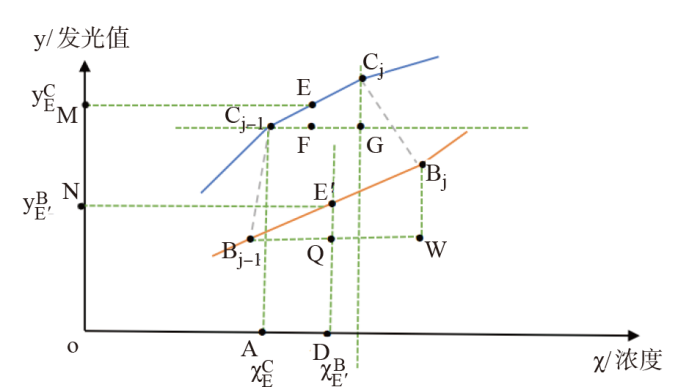
| 样本编号 | 雅培i2000SR/pmol·L-1 | 发光值 | 西门子ADVIA/pmol·L-1 | 发光值 |
|---|---|---|---|---|
| 1 | 5.15 | 357 215 | 6.89 | 82 565 |
| 2 | 9.85 | 241 988 | 13.35 | 56 830 |
| 3 | 14.59 | 155 765 | 24.39 | 36 932 |
| 4 | 25.93 | 76 541 | 39.91 | 24 991 |
| 5 | 30.71 | 65 183 | 52.14 | 20 116 |
| 6 | 41.02 | 53 498 | 81.21 | 14 131 |
| 7 | 49.92 | 49 104 | 94.84 | 12 549 |
| 8 | 64.35 | 42 310 | 134.42 | 9 752 |
| 样本编号 | 雅培i2000SR/pmol·L-1 | 发光值 | 西门子ADVIA/pmol·L-1 | 发光值 |
|---|---|---|---|---|
| 1 | 5.15 | 357 215 | 6.89 | 82 565 |
| 2 | 9.85 | 241 988 | 13.35 | 56 830 |
| 3 | 14.59 | 155 765 | 24.39 | 36 932 |
| 4 | 25.93 | 76 541 | 39.91 | 24 991 |
| 5 | 30.71 | 65 183 | 52.14 | 20 116 |
| 6 | 41.02 | 53 498 | 81.21 | 14 131 |
| 7 | 49.92 | 49 104 | 94.84 | 12 549 |
| 8 | 64.35 | 42 310 | 134.42 | 9 752 |
| 样本编号 | 雅培i2000SR/(pmol·L-1) | 西门子ADVIA/(pmol·L-1) | 百分偏差/% |
|---|---|---|---|
| 1 | 11.04 | 17.59 | 37.24 |
| 2 | 13.03 | 18.59 | 29.91 |
| 3 | 12.87 | 17.90 | 28.10 |
| 4 | 16.07 | 21.85 | 26.45 |
| 5 | 14.09 | 21.58 | 34.71 |
| 6 | 38.36 | 88.09 | 56.45 |
| 7 | 10.56 | 14.35 | 26.41 |
| 8 | 44.67 | 101.49 | 55.99 |
| 9 | 5.68 | 8.77 | 35.23 |
| 10 | 10.00 | 16.12 | 37.97 |
| 11 | 46.43 | 82.51 | 43.73 |
| 12 | 47.27 | 94.80 | 50.14 |
| 13 | 47.84 | 95.23 | 49.76 |
| 14 | 25.77 | 41.63 | 38.10 |
| 15 | 31.35 | 60.89 | 48.51 |
| 16 | 11.46 | 16.57 | 30.84 |
| 17 | 10.59 | 16.37 | 35.31 |
| 18 | 12.42 | 19.80 | 37.27 |
| 19 | 6.68 | 10.83 | 38.32 |
| 20 | 24.44 | 40.02 | 38.93 |
| 样本编号 | 雅培i2000SR/(pmol·L-1) | 西门子ADVIA/(pmol·L-1) | 百分偏差/% |
|---|---|---|---|
| 1 | 11.04 | 17.59 | 37.24 |
| 2 | 13.03 | 18.59 | 29.91 |
| 3 | 12.87 | 17.90 | 28.10 |
| 4 | 16.07 | 21.85 | 26.45 |
| 5 | 14.09 | 21.58 | 34.71 |
| 6 | 38.36 | 88.09 | 56.45 |
| 7 | 10.56 | 14.35 | 26.41 |
| 8 | 44.67 | 101.49 | 55.99 |
| 9 | 5.68 | 8.77 | 35.23 |
| 10 | 10.00 | 16.12 | 37.97 |
| 11 | 46.43 | 82.51 | 43.73 |
| 12 | 47.27 | 94.80 | 50.14 |
| 13 | 47.84 | 95.23 | 49.76 |
| 14 | 25.77 | 41.63 | 38.10 |
| 15 | 31.35 | 60.89 | 48.51 |
| 16 | 11.46 | 16.57 | 30.84 |
| 17 | 10.59 | 16.37 | 35.31 |
| 18 | 12.42 | 19.80 | 37.27 |
| 19 | 6.68 | 10.83 | 38.32 |
| 20 | 24.44 | 40.02 | 38.93 |
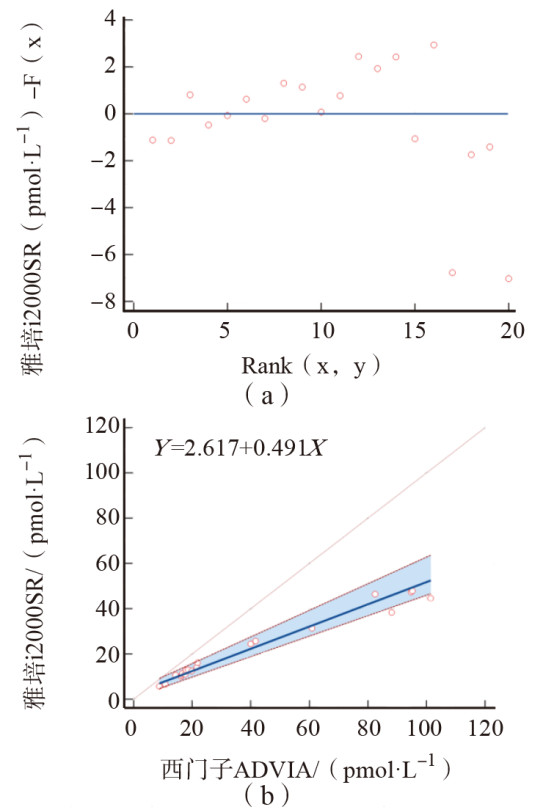
| 样本编号 | 雅培i2000SR转换后结果/(pmol·L-1) | 西门子ADVIA检测结果/(pmol·L-1) | 百分偏差/% |
|---|---|---|---|
| 1 | 15.45 | 17.59 | 12.19 |
| 2 | 18.59 | 18.59 | 9.01 |
| 3 | 19.87 | 17.90 | 11.02 |
| 4 | 26.79 | 21.85 | 22.60 |
| 5 | 22.63 | 21.58 | 4.88 |
| 6 | 73.54 | 88.09 | 16.52 |
| 7 | 14.72 | 14.35 | 2.55 |
| 8 | 87.02 | 101.49 | 14.26 |
| 9 | 7.57 | 8.77 | 13.67 |
| 10 | 13.62 | 16.12 | 15.51 |
| 11 | 89.76 | 82.51 | 8.87 |
| 12 | 90.99 | 94.80 | 4.02 |
| 13 | 91.81 | 95.23 | 3.60 |
| 14 | 39.37 | 41.63 | 5.43 |
| 15 | 53.45 | 60.89 | 12.22 |
| 16 | 17.40 | 16.57 | 4.98 |
| 17 | 15.88 | 16.37 | 2.96 |
| 18 | 20.06 | 19.80 | 1.29 |
| 19 | 9.28 | 10.83 | 14.33 |
| 20 | 38.98 | 40.02 | 2.60 |
| 样本编号 | 雅培i2000SR转换后结果/(pmol·L-1) | 西门子ADVIA检测结果/(pmol·L-1) | 百分偏差/% |
|---|---|---|---|
| 1 | 15.45 | 17.59 | 12.19 |
| 2 | 18.59 | 18.59 | 9.01 |
| 3 | 19.87 | 17.90 | 11.02 |
| 4 | 26.79 | 21.85 | 22.60 |
| 5 | 22.63 | 21.58 | 4.88 |
| 6 | 73.54 | 88.09 | 16.52 |
| 7 | 14.72 | 14.35 | 2.55 |
| 8 | 87.02 | 101.49 | 14.26 |
| 9 | 7.57 | 8.77 | 13.67 |
| 10 | 13.62 | 16.12 | 15.51 |
| 11 | 89.76 | 82.51 | 8.87 |
| 12 | 90.99 | 94.80 | 4.02 |
| 13 | 91.81 | 95.23 | 3.60 |
| 14 | 39.37 | 41.63 | 5.43 |
| 15 | 53.45 | 60.89 | 12.22 |
| 16 | 17.40 | 16.57 | 4.98 |
| 17 | 15.88 | 16.37 | 2.96 |
| 18 | 20.06 | 19.80 | 1.29 |
| 19 | 9.28 | 10.83 | 14.33 |
| 20 | 38.98 | 40.02 | 2.60 |
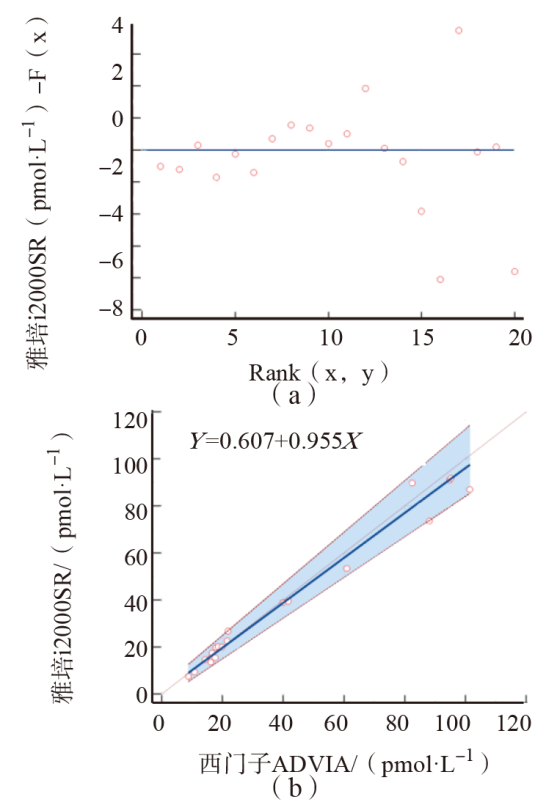
| 样本编号 | 雅培i2000SR 检测结果 | 西门子ADVIA检测结果 | 雅培i2000SR 转换后结果 |
|---|---|---|---|
| 1 | - | - | - |
| 2 | - | - | - |
| 3 | - | - | - |
| 4 | - | - | ↑ |
| 5 | - | - | - |
| 6 | ↑ | ↑ | ↑ |
| 7 | - | - | - |
| 8 | ↑ | ↑ | ↑ |
| 9 | ↓ | ↓ | ↓ |
| 10 | - | - | - |
| 11 | ↑ | ↑ | ↑ |
| 12 | ↑ | ↑ | ↑ |
| 13 | ↑ | ↑ | ↑ |
| 14 | ↑ | ↑ | ↑ |
| 15 | ↑ | ↑ | ↑ |
| 16 | - | - | - |
| 17 | - | - | - |
| 18 | - | - | - |
| 19 | ↓ | ↓ | ↓ |
| 20 | ↑ | ↑ | ↑ |
| 样本编号 | 雅培i2000SR 检测结果 | 西门子ADVIA检测结果 | 雅培i2000SR 转换后结果 |
|---|---|---|---|
| 1 | - | - | - |
| 2 | - | - | - |
| 3 | - | - | - |
| 4 | - | - | ↑ |
| 5 | - | - | - |
| 6 | ↑ | ↑ | ↑ |
| 7 | - | - | - |
| 8 | ↑ | ↑ | ↑ |
| 9 | ↓ | ↓ | ↓ |
| 10 | - | - | - |
| 11 | ↑ | ↑ | ↑ |
| 12 | ↑ | ↑ | ↑ |
| 13 | ↑ | ↑ | ↑ |
| 14 | ↑ | ↑ | ↑ |
| 15 | ↑ | ↑ | ↑ |
| 16 | - | - | - |
| 17 | - | - | - |
| 18 | - | - | - |
| 19 | ↓ | ↓ | ↓ |
| 20 | ↑ | ↑ | ↑ |
| [1] | 王金金, 徐黎明, 俞宛君, 等. 医学检验结果同质化管理发展现状与趋势[J]. 中华预防医学杂志, 2023, 57(9):1504-1509. |
| [2] | ZHENG Z, YAO Z, WU K, et al. The diagnosis of SARS-CoV2 pneumonia:a review of laboratory and radiological testing results[J]. J Med Virol, 2020, 92(11):2420-2428. |
| [3] | BOZKAYA G, SISMAN A R. The comparison of analytical performances of Mindray CL-1000i and Beckman Coulter Access Ⅱ Troponin Ⅰ methods in the light of recent guidelines and the quality requirements[J]. Ann Transl Med, 2020, 8(19):1237. |
| [4] | 王延群, 曹源, 胡成进. 不同型号血凝仪检测凝血酶原时间及部分凝血活酶时间的可比性评价[J]. 中华临床实验室管理电子杂志, 2015, 3(4):240-243. |
| [5] | 李莎, 欧阳能良, 谢晋烨, 等. 一致性比对工作在推进检验结果互认中的应用[J]. 检验医学与临床, 2022, 19(3):382-385. |
| [6] | THELEN M H, VANSTAPEL F J, KROUPIS C, et al. Flexible scope for ISO 15189 accreditation:a guidance prepared by the European Federation of Clinical Chemistry and Laboratory Medicine(EFLM)Working Group Accreditation and ISO/CEN standards(WG-A/ISO)[J]. Clin Chem Lab Med, 2015, 53(8):1173-1180. |
| [7] | PANTEGHINI M, BRAGA F, CAMARA J E, et al. Optimizing available tools for achieving result standardization:value added by Joint Committee on Traceability in Laboratory Medicine(JCTLM)[J]. Clin Chem, 2021, 67(12):1590-1605. |
| [8] | ZHOU X, LIU Z, MA Y, et al. A mathematical algorithm to harmonize measurements for thyroid-stimulating hormone between instruments[J]. Clin Chim Acta, 2023, 548:117513. |
| [9] | Clinical and Laboratory Standards Institute, et al. User verification of performance for precision and trueness; approved guideline—second edition[S]. EP15-A2,CLSI, 2006. |
| [10] |
HEGEDÜS L, BIANCO A C, JONKLAAS J, et al. Primary hypothyroidism and quality of life[J]. Nat Rev Endocrinol, 2022, 18(4):230-242.
DOI PMID |
| [11] |
GENO K A, REED M S, CERVINSKI M A, et al. Evaluation of thyroid function in pregnant women using automated immunoassays[J]. Clin Chem, 2021, 67(5):772-780.
DOI PMID |
| [12] | 徐清, 陈焱, 韩元元, 等. 游离甲状腺激素/游离三碘甲状腺原氨酸比值(FT4/FT3)对急性心肌梗死患者院内全因死亡风险的临床预测价值[J/OL]. 中国动脉硬化杂志,(2023-10-18) [2025-01-17]. http://kns.cnki.net/kcms/detail/43.1262.r.20231017.1715.004.html. |
| [13] | YIN L, TANG Y, CHEN X, et al. Measurement differences between two immunoassay systems for LH and FSH:a comparison of roche cobas e601 vs. abbott architect i2000sr[J]. Clin Lab, 2018, 64(3):295-301. |
| [14] | ZHANG H, HUANG Y, LIANG K. Comparison of three immunoassays systems for determining serum estradiol[J]. Clin Lab, 2019, 65(4). |
| [15] |
THIENPONT L M, VAN UYTFANGHE K, VAN HOUCKE S, et al. A progress report of the IFCC committee for standardization of thyroid function tests[J]. Eur Thyroid J, 2014, 3(2):109-116.
DOI PMID |
| [16] |
DE GRANDE L A C, VAN UYTFANGHE K, REYNDERS D, et al. Standardization of free thyroxine measurements allows the adoption of a more uniform reference interval[J]. Clin Chem, 2017, 63(10):1642-1652.
DOI PMID |
| [17] | MENG F, JONKLAAS J, LEOW M K. Interconversion of plasma free thyroxine values from assay platforms with different reference intervals using linear transformation methods[J]. Biology(Basel), 2021, 10(1):45. |
| [18] | PADOAN A, CLERICO A, ZANINOTTO M, et al. Percentile transformation and recalibration functions allow harmonization of thyroid-stimulating hormone(TSH)immunoassay results[J]. Clin Chem Lab Med, 2020, 58(10):1663-1672. |
| [19] | 段秀群, 田欢, 龚国富. 两种仪器测定血清C反应蛋白的性能比对分析[J]. 中国医疗设备, 2017, 32(2):87-90. |
| [20] |
AHN S, CHO Y, LEE S G, et al. Performance evaluation of thyroid function tests on a novel chemiluminescent microparticle immunoassay system[J]. J Appl Lab Med, 2021, 6(2):367-377.
DOI PMID |
| [21] | 张莹, 唐彦, 谭晶, 等. 重庆市渝中区2019、2020年检验结果互认新鲜血标本比对与分析[J]. 检验医学与临床, 2022, 19(8):1100-1103. |
| [1] | CHEN Qian, SHAN Zhiming, SONG Chao, KANG Fengfeng, JIN Jing, LI Weixing. Status of quality management of new laboratories for nucleic acid determination of SARS-CoV-2 in Zhejiang [J]. Laboratory Medicine, 2022, 37(7): 669-673. |
| [2] | BAI Jianhua, ZENG Xianfei, HAO Xiaoke. Exploration and practice of regional medical laboratory center model [J]. Laboratory Medicine, 2022, 37(12): 1109-1112. |
| [3] | KAN Lijuan, LI Jingli, CHEN Dayang, HAN Xinyuan, WANG Zhihong, CAI Qinquan, WEN Qilin, LIU Zhenyu, LI Ming, ZHANG Xiuming. Investigation and practice of smart internet inspection in regional medical laboratory center [J]. Laboratory Medicine, 2022, 37(12): 1113-1117. |
| [4] | CHEN Hongwei, GUO Haitao, HOU Yanqiang. New development of regional medical laboratory centers in post-pandemic era [J]. Laboratory Medicine, 2022, 37(12): 1118-1121. |
| [5] | CHEN Ping, CHEN Tingting. Establishment and application of intelligent structured medical laboratory knowledge base under ISO 15189 quality system [J]. Laboratory Medicine, 2022, 37(1): 83-86. |
| [6] | LOU Jiao, JIANG Lingli, ZHU Jun, YANG Xue, WANG Qing, WANG Hualiang. Analysis of clinical test quality in non-government medical institutions in Shanghai [J]. Laboratory Medicine, 2021, 36(9): 969-972. |
| [7] | YU Siyuan, WU Wenjuan. Primary experience of establishment and management of medical laboratory in cabin hospital under the background of COVID-19 [J]. Laboratory Medicine, 2020, 35(5): 492-496. |
| [8] | WEI Yongtao, WANG Songxia. Analysis of urinary iodine levels of pregnant women in Qingdao [J]. Laboratory Medicine, 2019, 34(10): 905-907. |
| [9] | PAN Xilong, LIU Xiaodong, HUANG Shaofen. Measurement uncertainties for the determinations of serum K+,Na+ and Cl- and their quality improvement [J]. Laboratory Medicine, 2017, 32(7): 642-646. |
| [10] | ZHANG Chong, ZHAO Cuisheng, WANG Hongzhou, LIU Aiping, HE Rui, BAI Zhengqiang. Reference ranges of thyroid-related hormones for pregnant women with appropriate nutrition of iodine in Lanzhou [J]. Laboratory Medicine, 2017, 32(3): 185-188. |
| [11] | LI Huaiyuan, JIANG Limin, QIAN Yueping, FU Qihua, LI Dong. Establishment of the reference intervals of thyroid function for children in Shanghai [J]. Laboratory Medicine, 2016, 31(12): 1045-1049. |
| [12] | KE Wencai, GU Yunxia. The analysis of thyroid hormone levels of different pregnant trimesters [J]. Laboratory Medicine, 2015, 30(3): 224-226. |
| [13] | GUO Xiaojun, HUANG Weigang. The root cause analysis of common nonconformity in medical laboratory accreditation [J]. Laboratory Medicine, 2015, 30(3): 295-297. |
| [14] | HUANG Weigang, WAN Haiying, FAN Xiaoxia, CAI Feng, HUANG Sheng, XIANG Mingjie. Summary analysis on accreditation on-site review nonconformity items of 18 medical laboratories in Shanghai [J]. , 2014, 29(6): 672-675. |
| [15] | CHEN Yanzhi. Application of quality supervision in the quality management and recognition of medical laboratory [J]. , 2014, 29(12): 1254-1259. |
| Viewed | ||||||
|
Full text |
|
|||||
|
Abstract |
|
|||||
